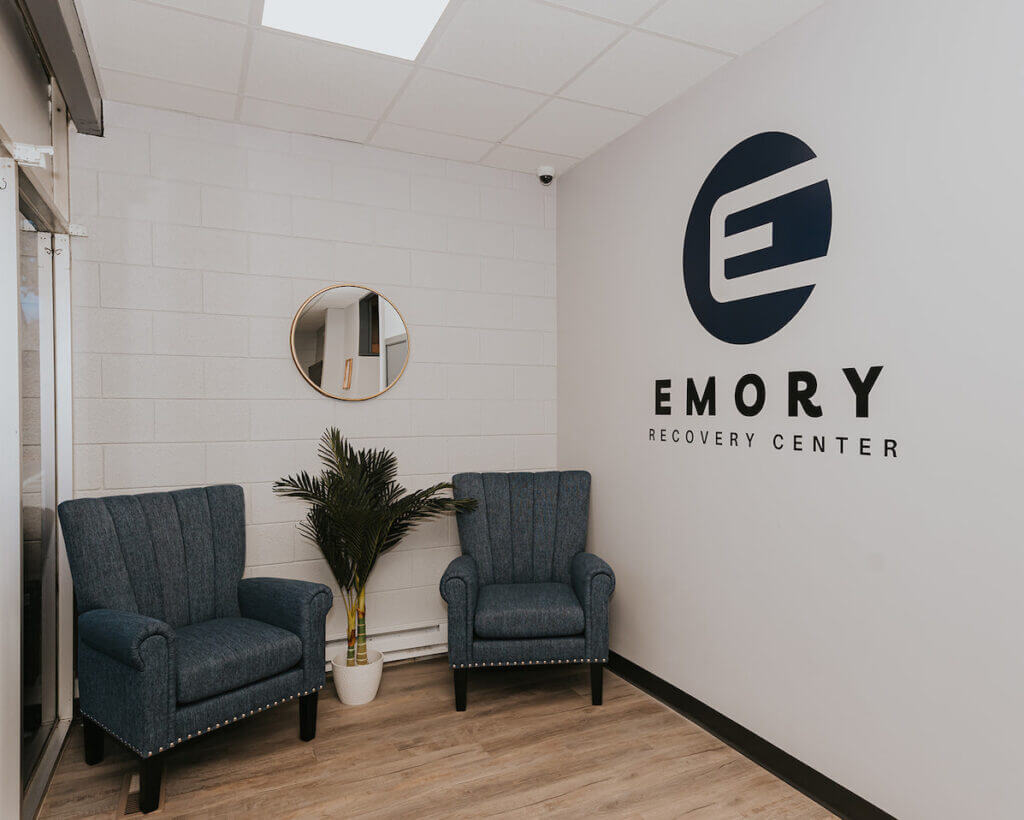



Emory sets the standard for what quality care in recovery should look like. The atmosphere is professional but welcoming, and the staff go above and beyond to meet people where they’re at while helping them move forward. It’s a place where clients feel seen, supported, and given the tools to truly rebuild their lives.
Their approach is balanced — clinical strength, strong recovery culture, and a focus on life beyond treatment. I know the ownership and staff personally, and their integrity and dedication are second to none. If someone in my family ever needed treatment, I would confidently send them to Emory — even my own mother. A genuinely exceptional program.
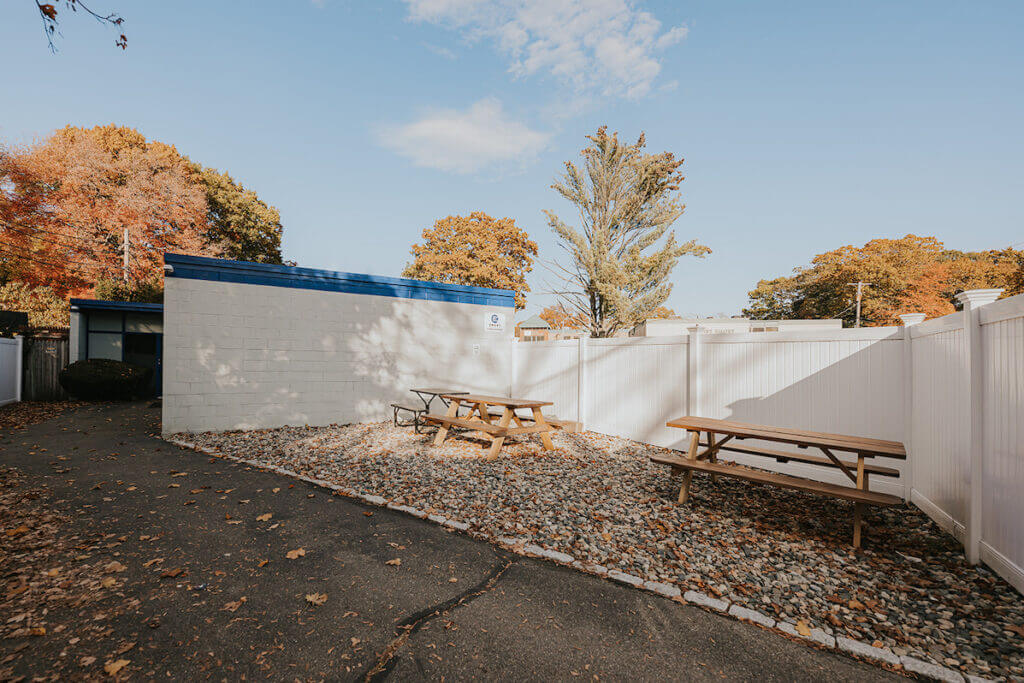
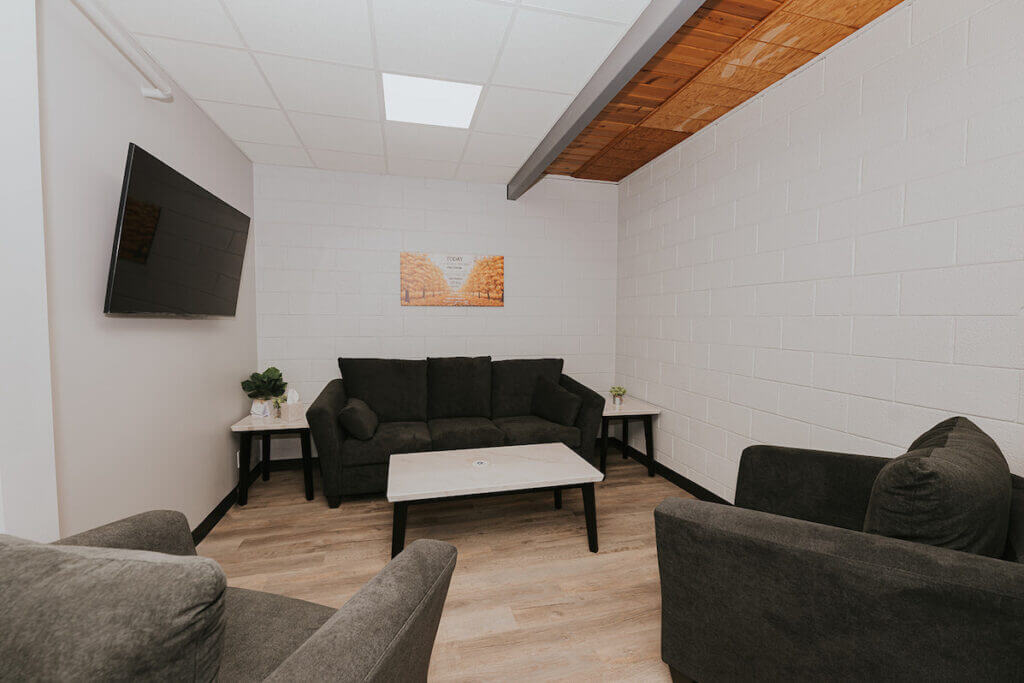
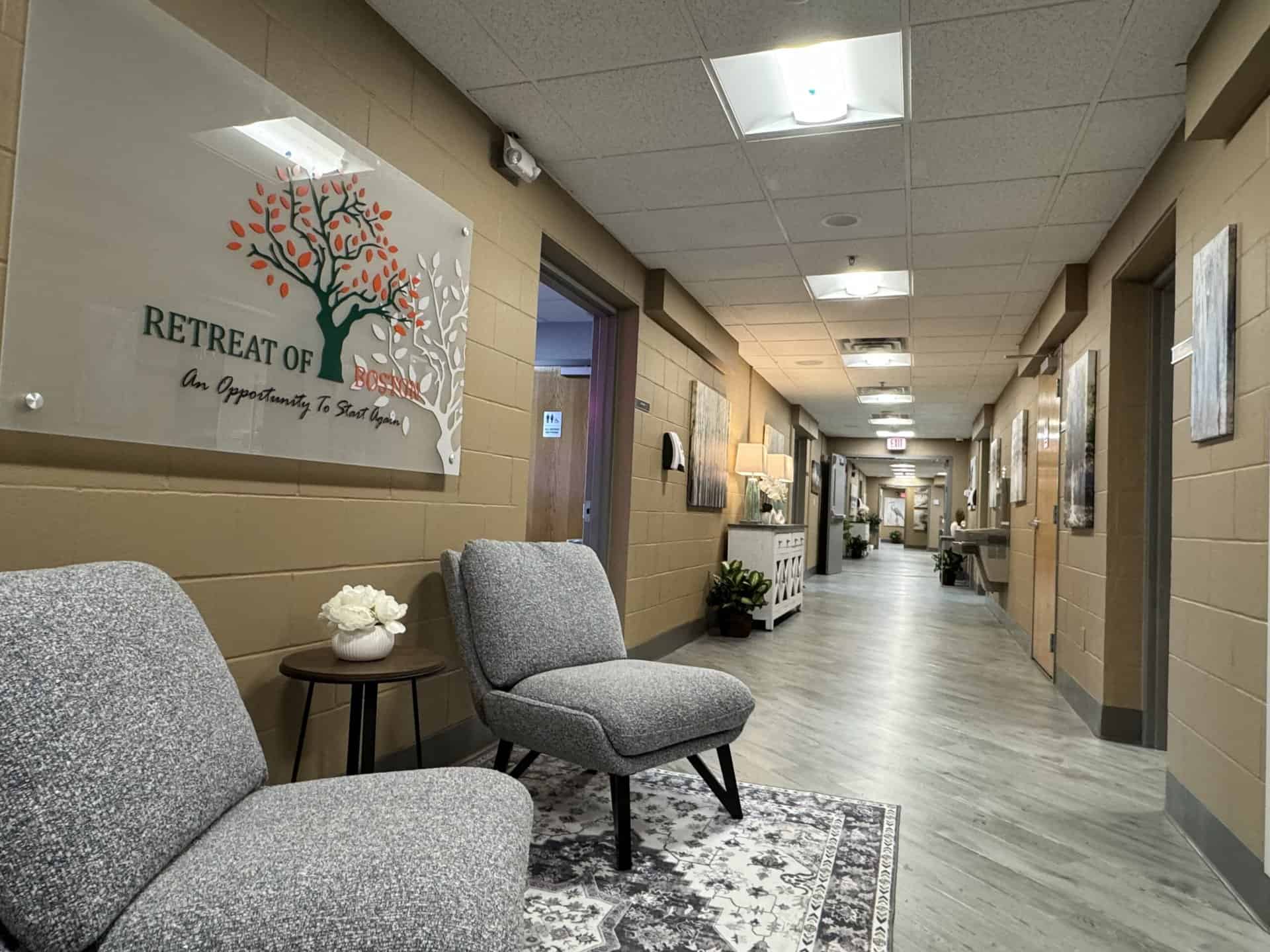
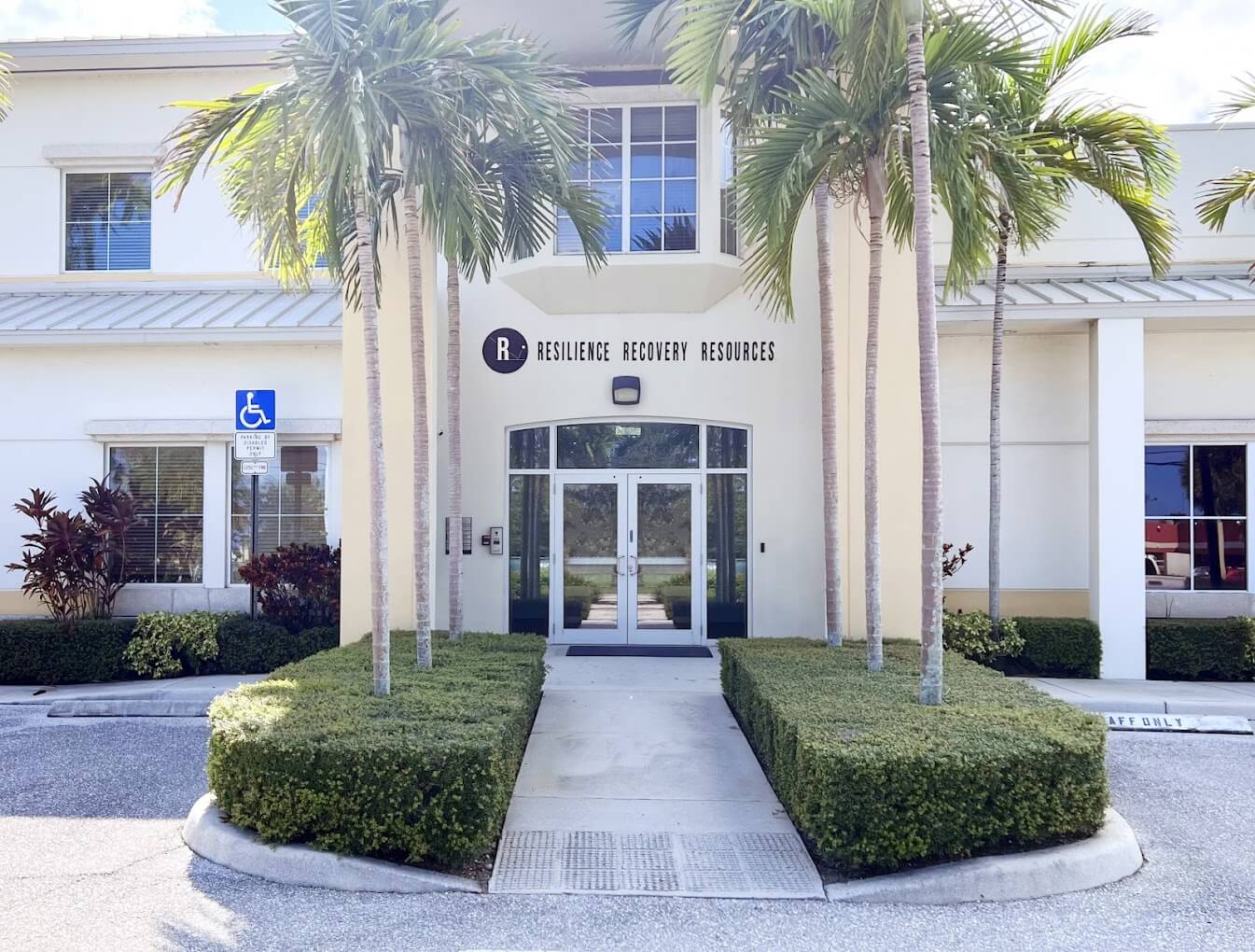
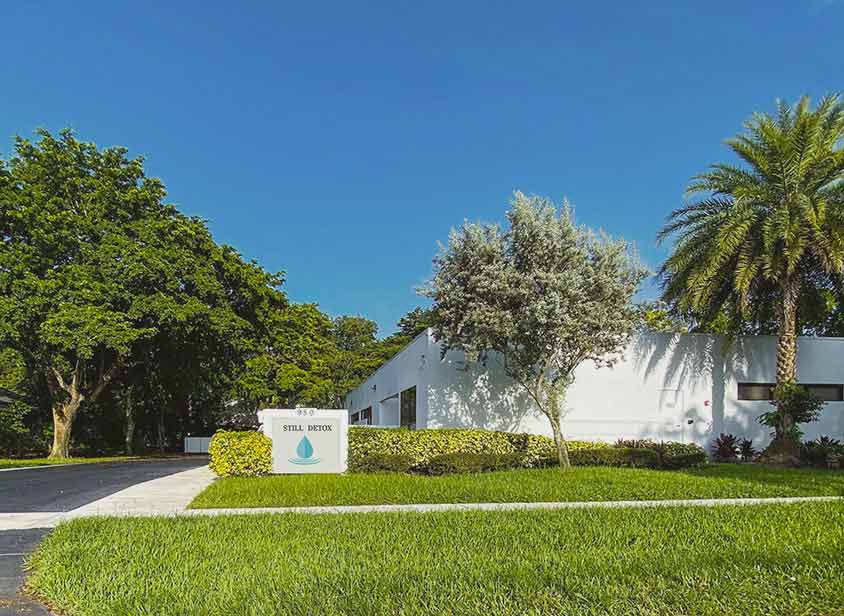
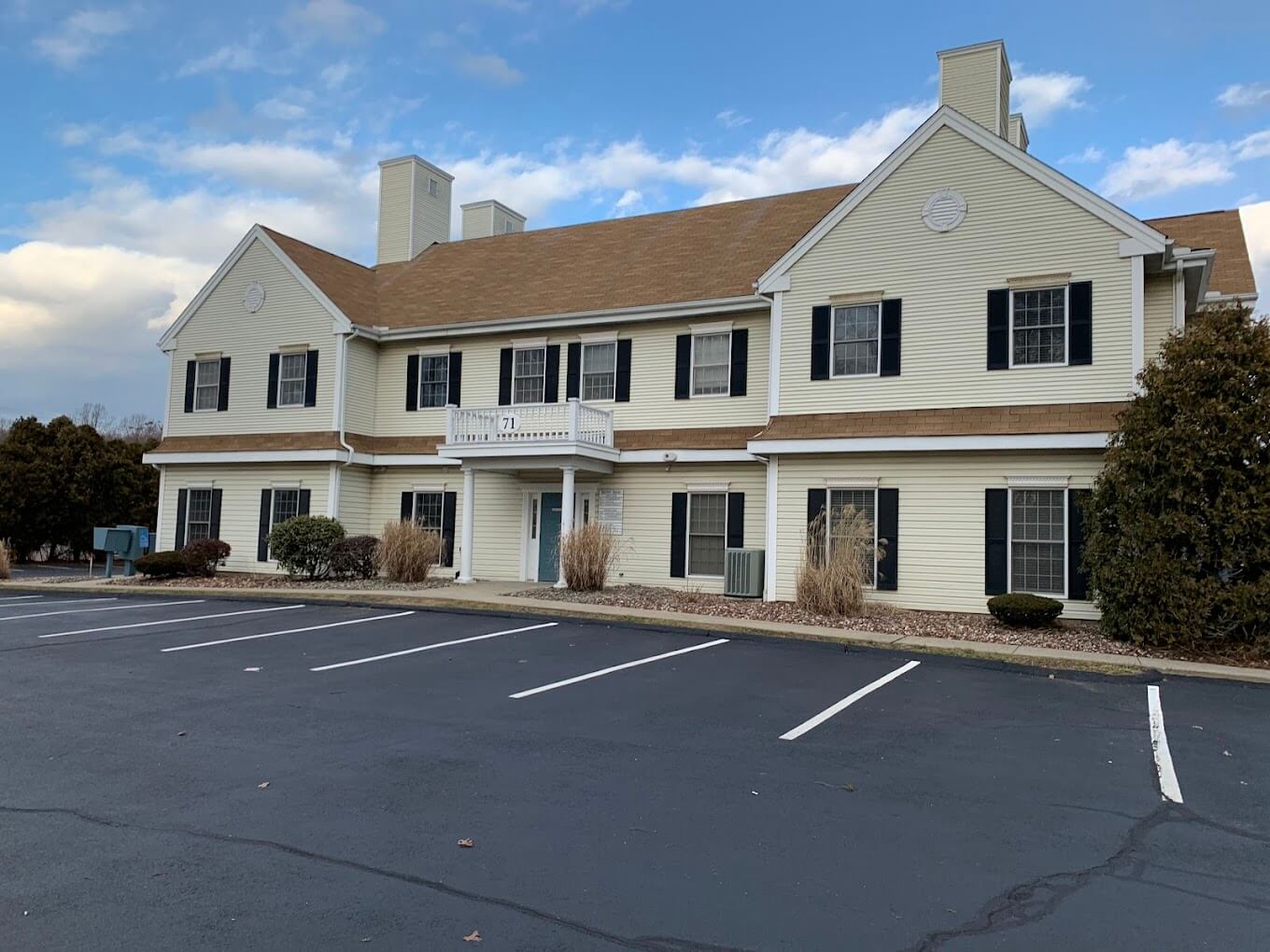
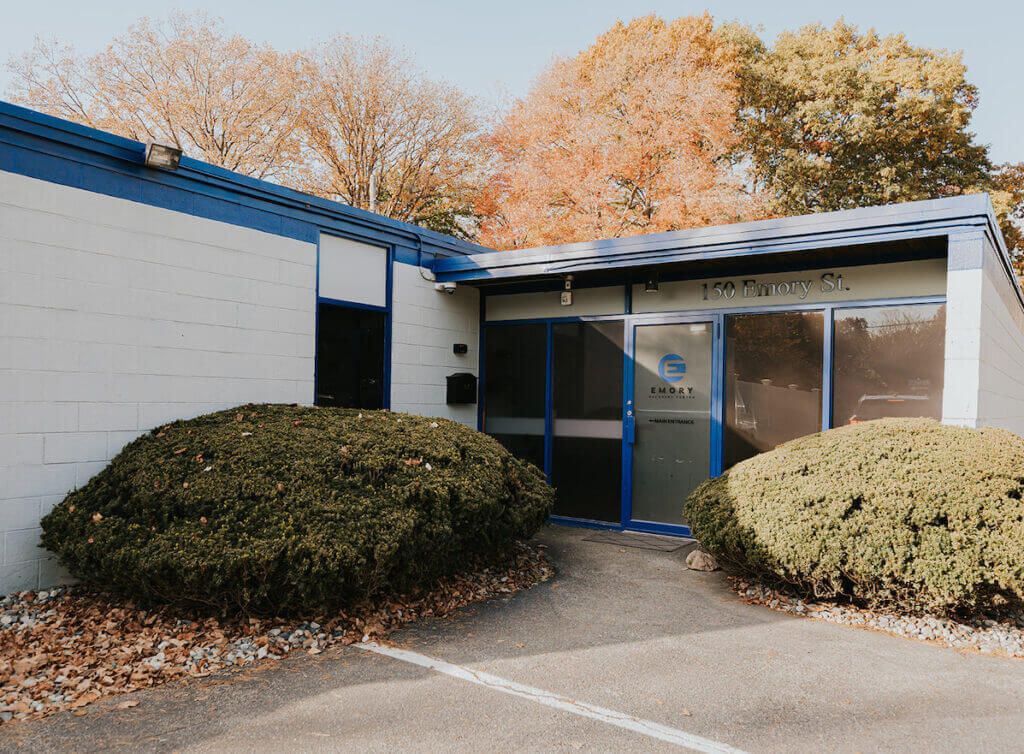
What looks like a nondescript building next to a park is actually something much more. Emory, a small recovery center in Attleboro, MA, doesn’t look like a place where transformation happens. But once you walk through the doors, you quickly realize it is.
From the start, you’re brought into intake and case management. The two case managers work diligently to make sure you have someone in your corner at all times. Whether it’s FMLA, disability paperwork, or other life logistics, they are always working behind the scenes to support you.
The nuts and bolts of PHP begin with daily check-in — learning to express, to share, and to show up for others in their recovery. Some people don’t like starting the day that way, but I’ve found that without it, I crave the interaction and connection. The staff keep things moving with ease, while also allowing space for those who need extra support from both staff and peers.
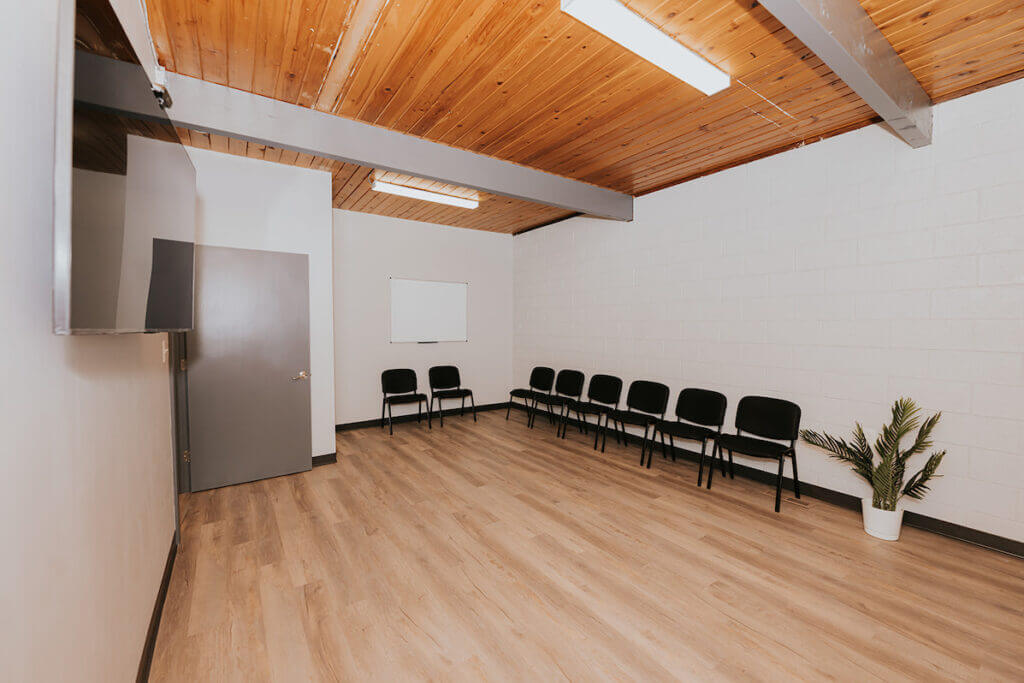
The groups run the gamut — from engaging activities to deeper internal reflection and meditation. Each facilitator brings skill, experience, and knowledge that make the sessions meaningful. Often, the most important breakthroughs come from the groups I least expect.
Emory has also helped connect me to a sober house and provided transportation — with plenty of laughs along the way (even if I’ve been called out for being two seconds late once or twice). The staff are consistently present. The lunch routine and breaks may feel long at times, but when you use that time to connect with other members, it all makes sense.
My therapist truly gets me. She challenges me and brings me back to what we need to focus on. After four months, we have stayed aligned with our original plan. She is encouraging me to become the person I never fully developed — someone calm, connected, creative, compassionate, confident, courageous, and curious.
With that inner voice, I can live a value-centered life — using the tools and resources Emory has given me.
As the year comes to an end and I head into my third year of sobriety, I’m reminded of how I got here. Almost 3 years ago I felt broken and lost. Today I am still putting the pieces together and finding my true authentic self, but I’m reminded how far I’ve come. I owe a huge debt of gratitude to Emory for giving me so much more than I can put into words. My daughter is 7 months and I can assure you she is beyond grateful as well. At Emory people don’t just heal, families are restored and built 💙